Global Padel Hub — Brand
A complete brand identity system for the world's fastest-growing racket sport.
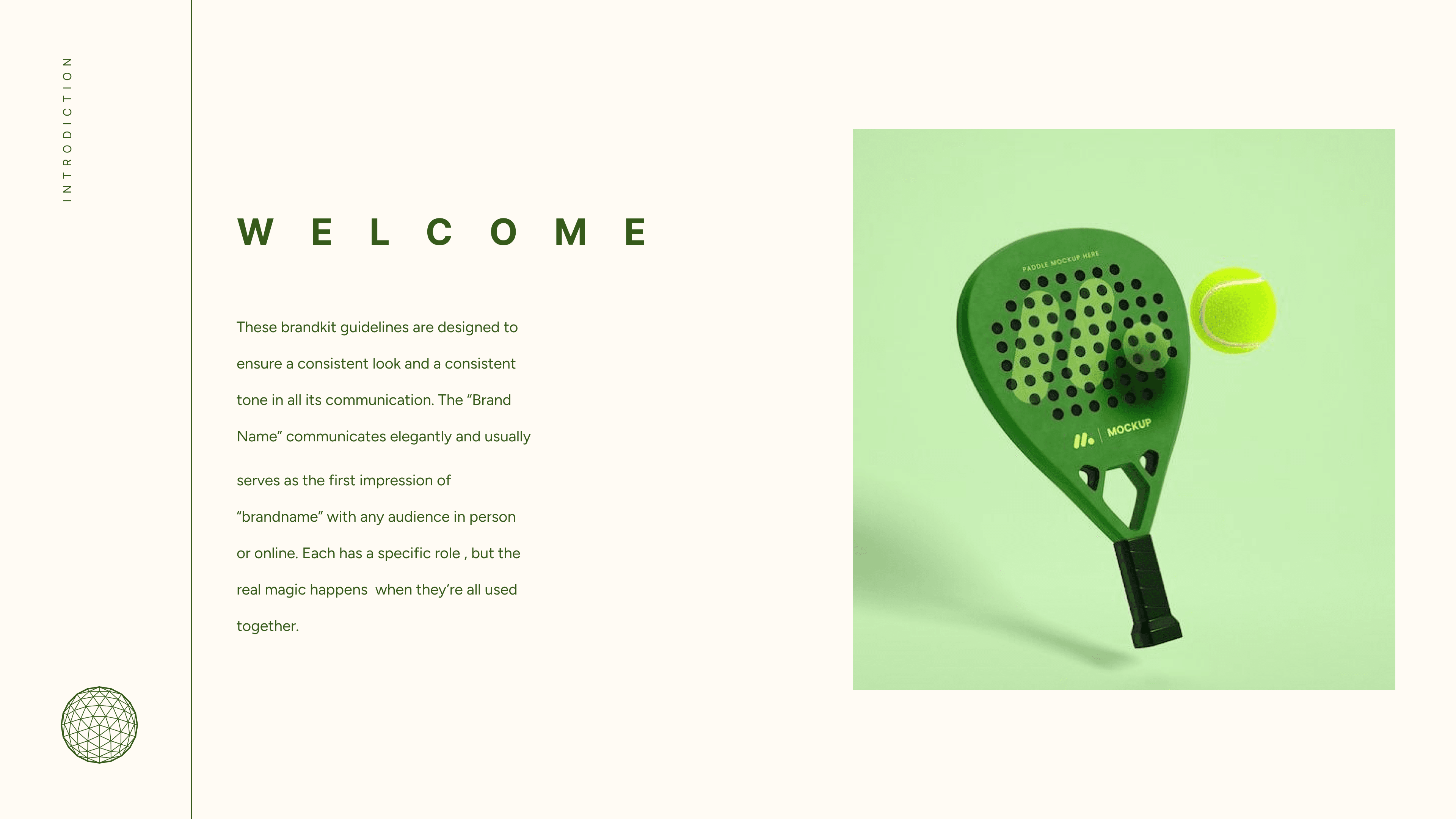
More than a logo — a system.
Global Padel Hub needed more than a logo. As the platform scaled across Asia and beyond, it needed a coherent visual language — one that could work across a website, a community platform, coach profiles, club listings, and future product surfaces.
I designed the complete brand identity system and delivered it as a structured brand book. This document became the single source of truth for every visual decision made on the platform — from the UI designer to the developer to the content team.
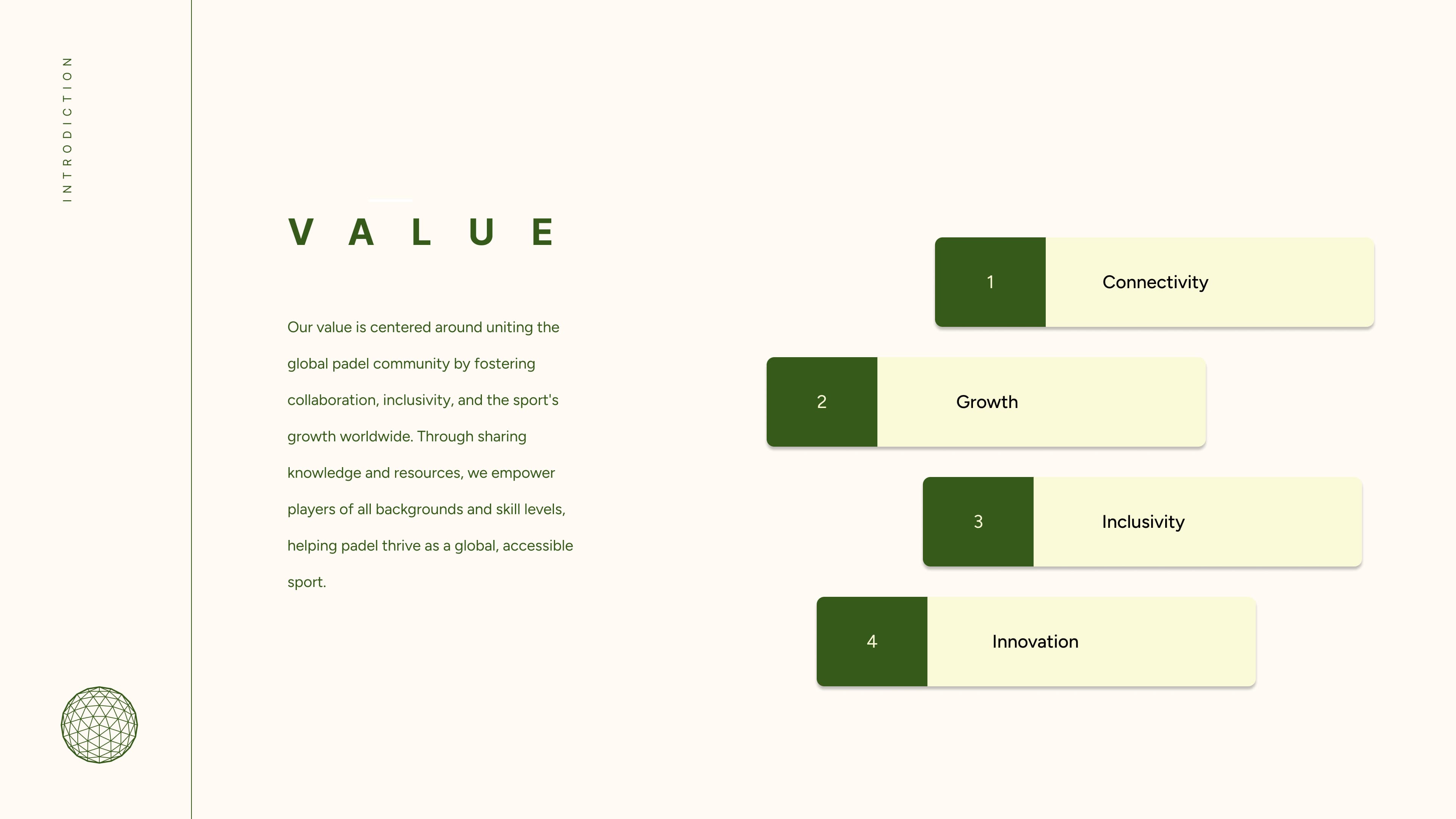
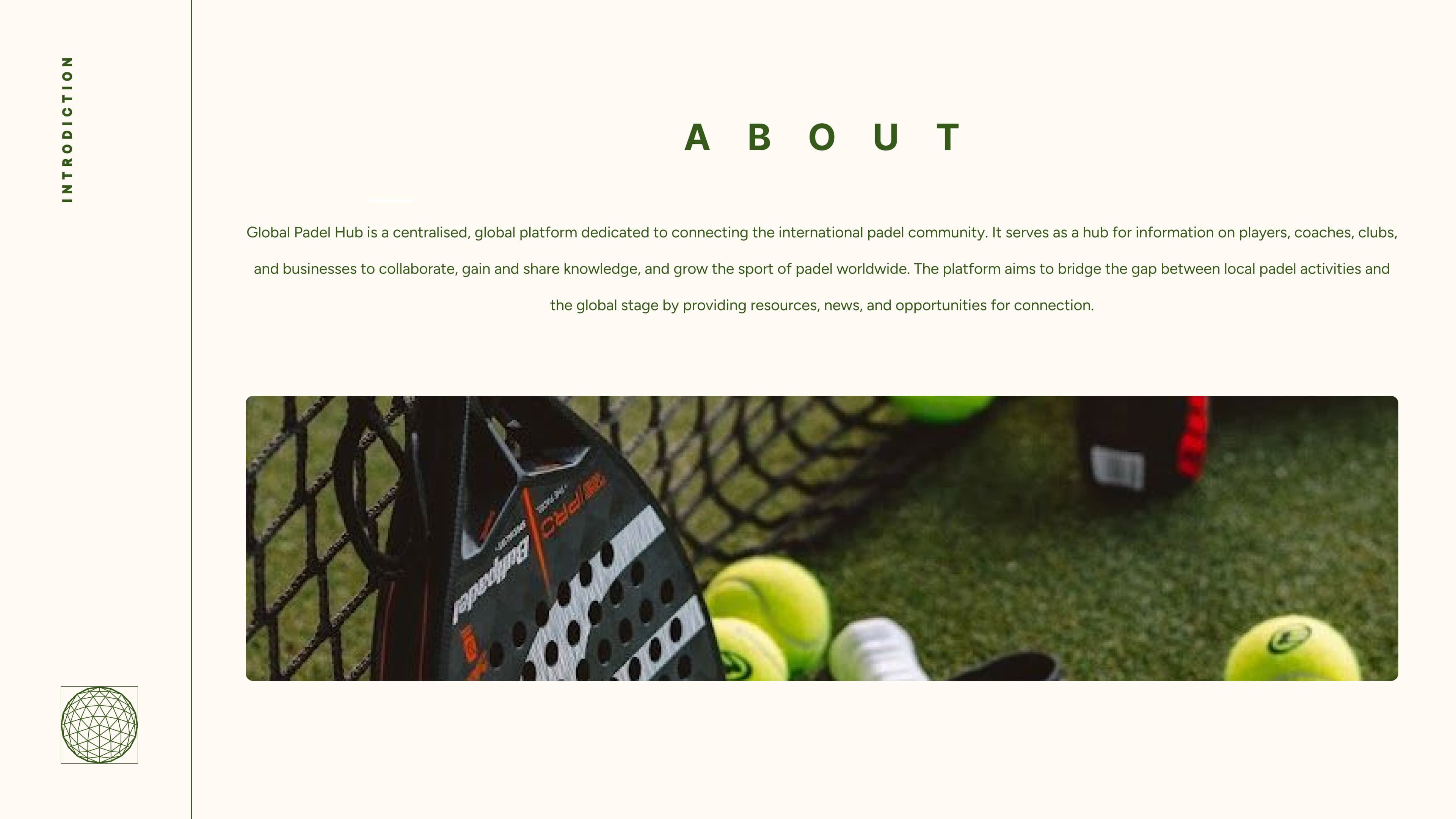
What the brand needed to be.
Premium but accessible
Not elitist, not generic. The brand needed to feel earned and considered — credible at the high end of the sport without alienating beginners.
Nature-rooted
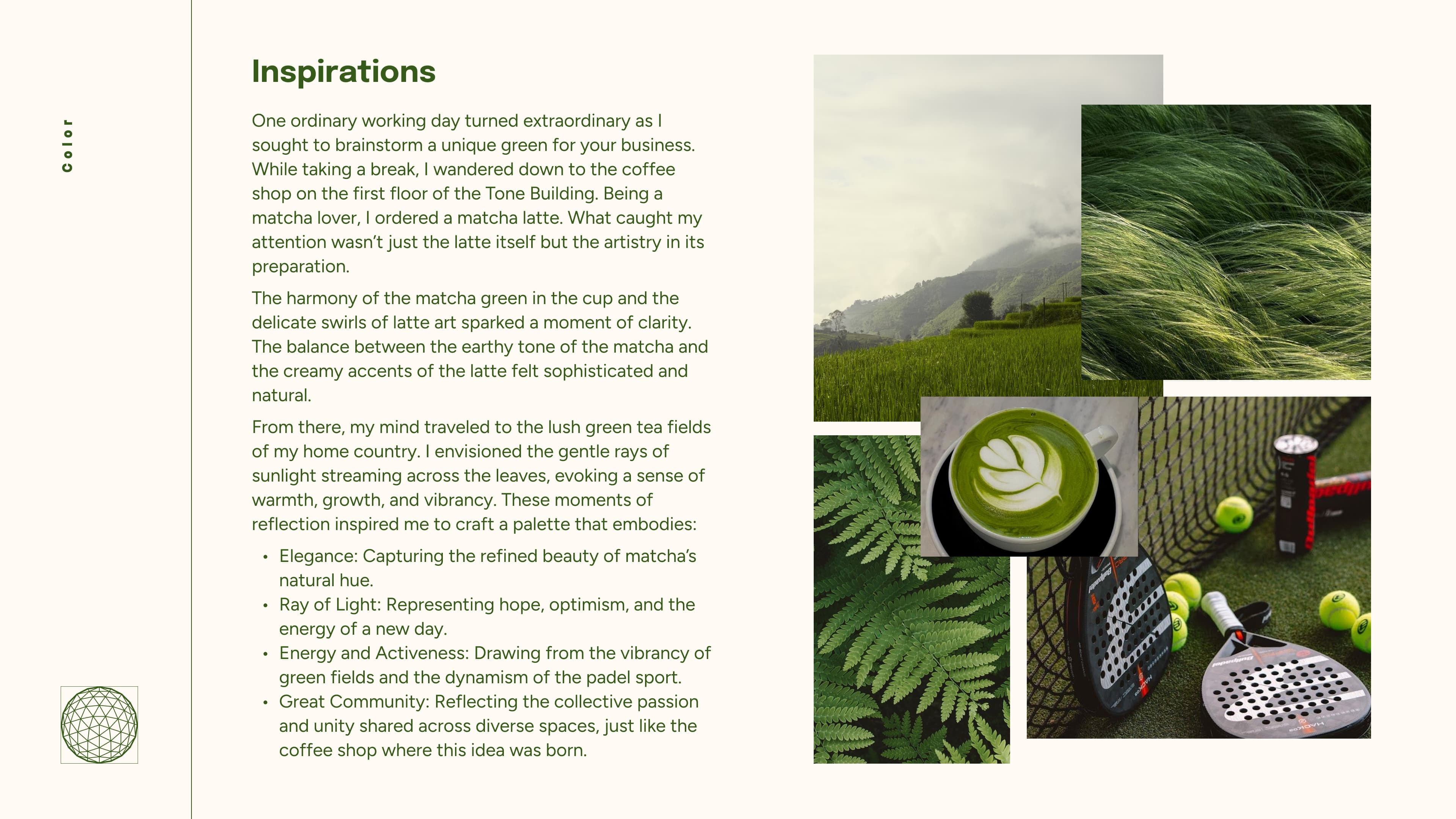
Padel is an outdoor, community sport. The brand should reflect that — anchored in green, grounded in landscape, never feeling like a generic SaaS or sportsbook.
Internationally credible
Trustworthy to users in Singapore, Bangkok, Bali, and Barcelona equally. Visual choices had to work across cultures without losing a distinct point of view.
Forest green as identity.
- 01Forest as the primary anchor
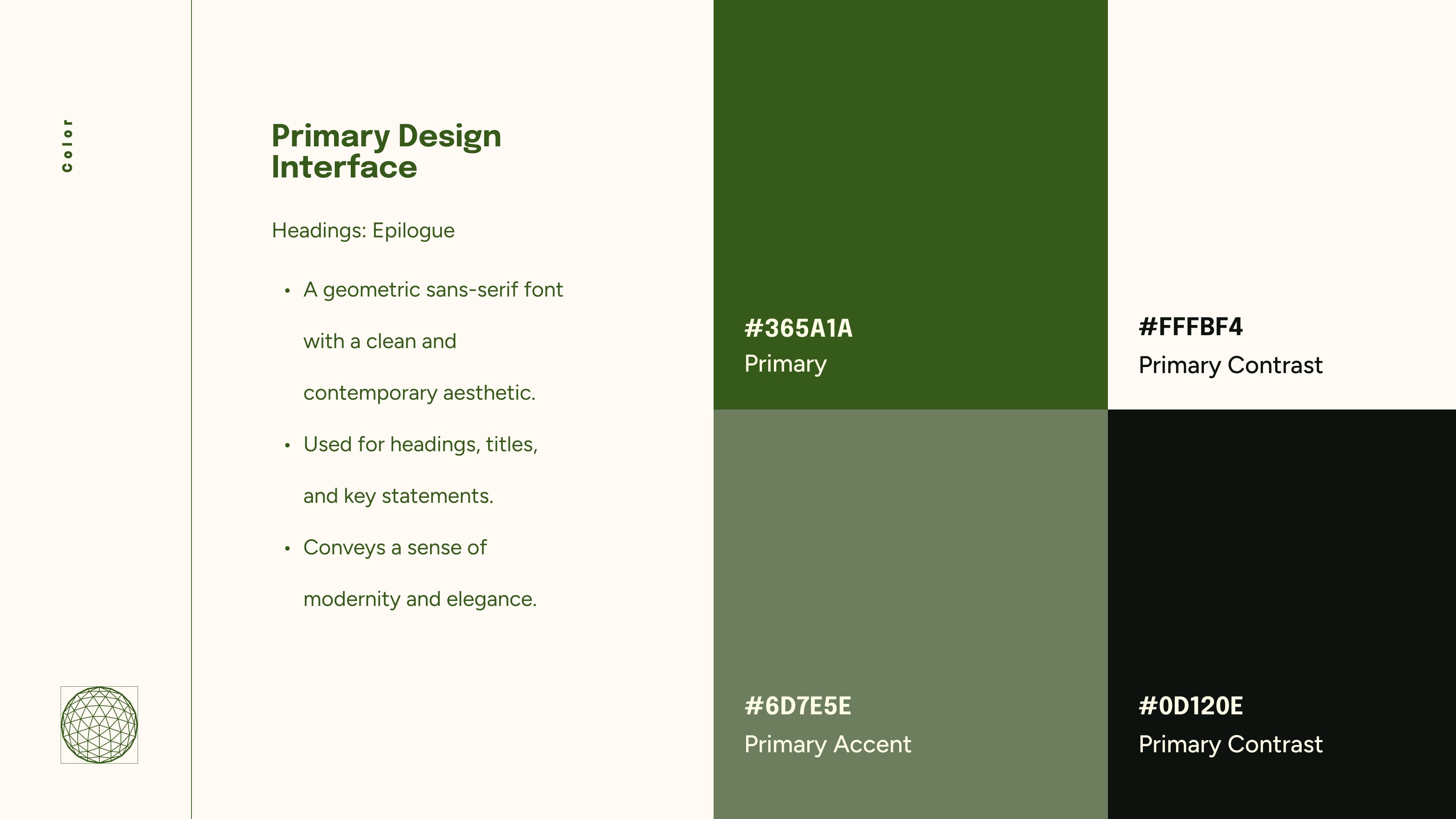
A confident forest green — a deliberate move away from the generic blues and neutrals that dominate sports platforms. Green grounds the brand in nature and the physical experience of padel.
- 02Off-white as the warm surface
A warm off-white prevents the system from feeling cold or corporate. It also gives the green palette room to breathe across editorial and product surfaces.
- 03Canary yellow as the single warm accent
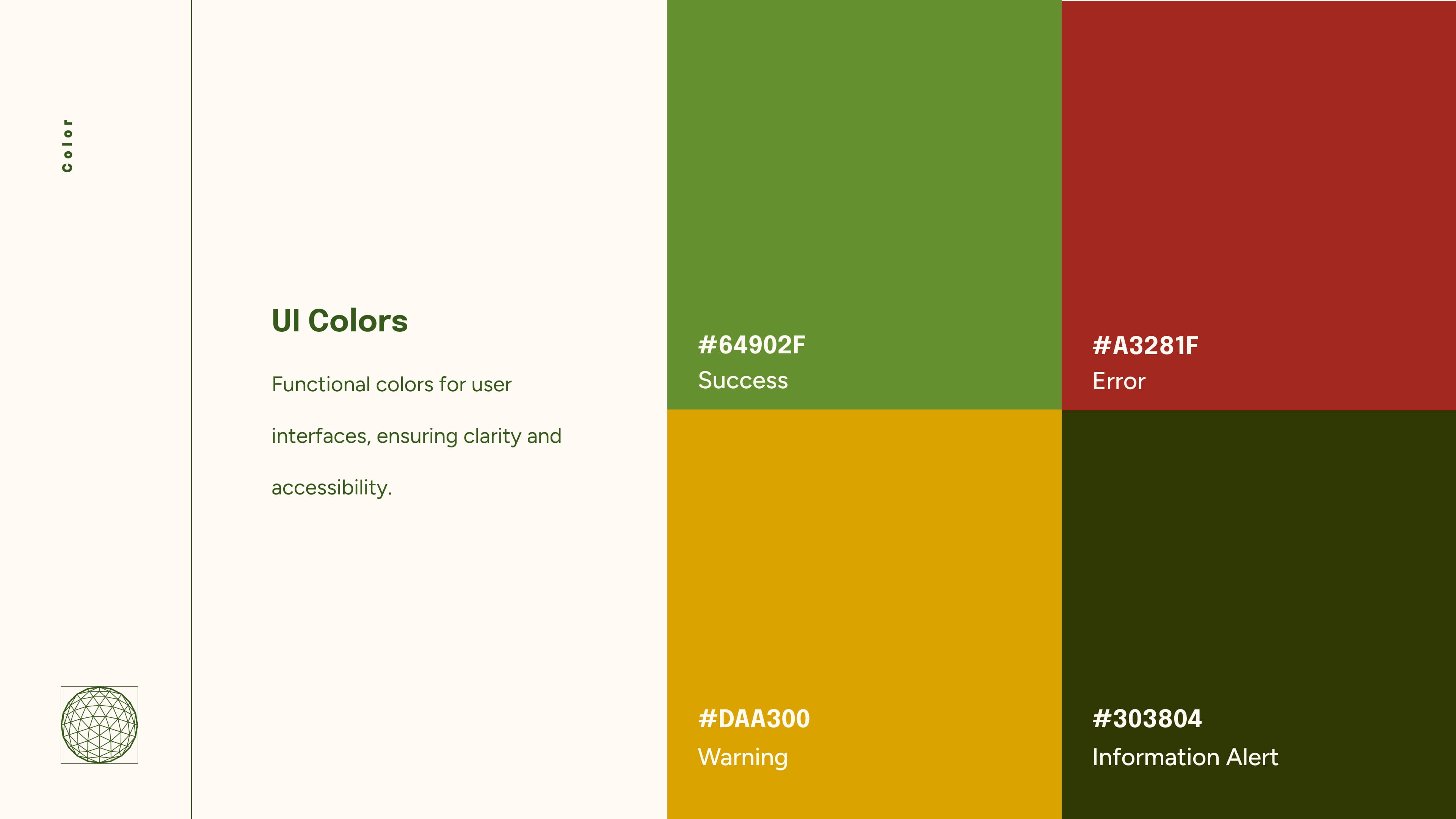
Used sparingly for energy and emphasis — alerts, highlights, moments of brightness — without competing with the primary palette.
- 04Named semantic roles, not just hex codes
Every colour has a role: primary, accent, inactive, contrast, state, surface. Designers and developers reach for the colour by purpose, not by name — which prevents drift over time.
What shipped.
- A 6-colour UI system with named semantic roles — primary, accent, state, contrast, all defined with usage rules.
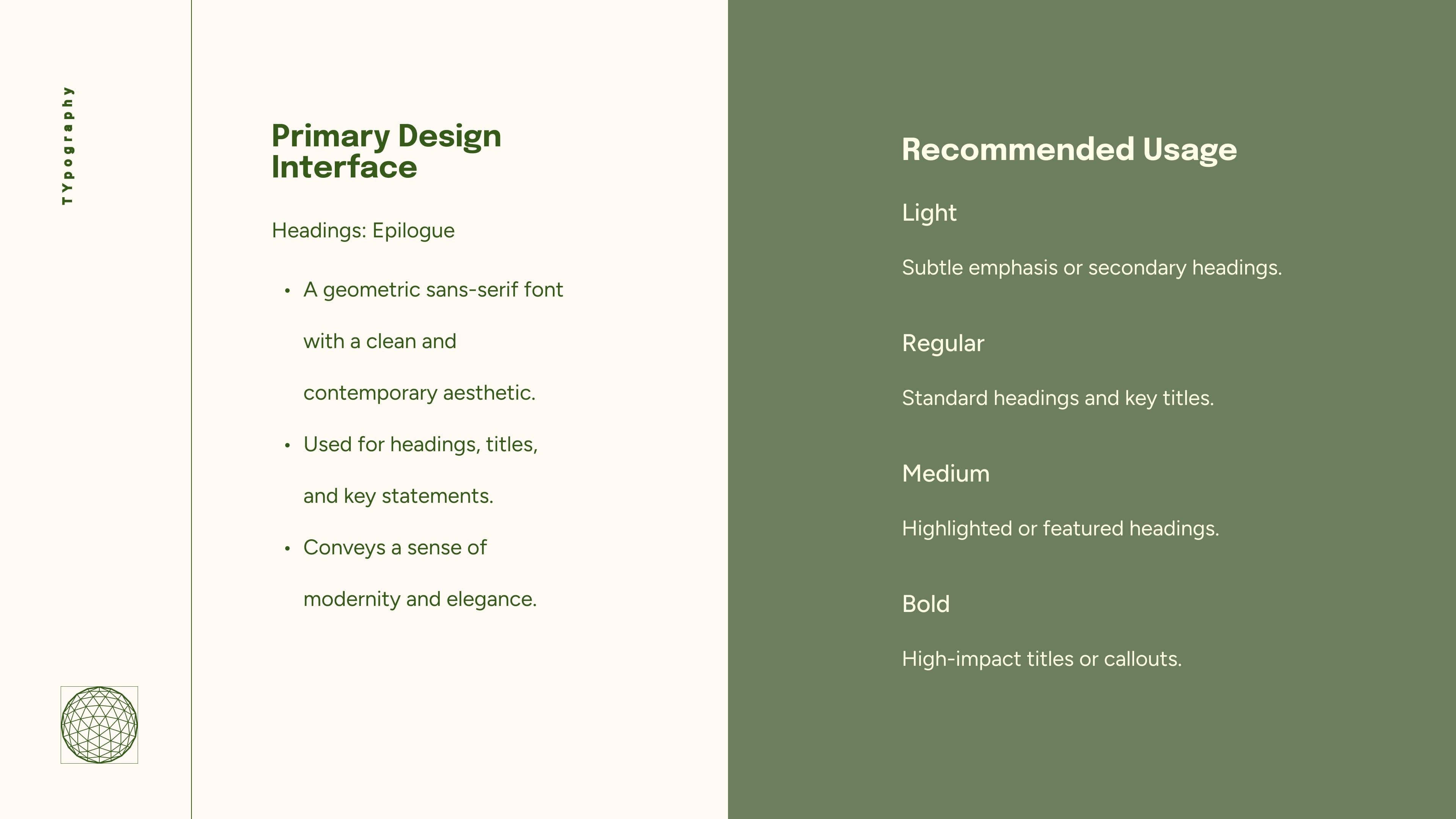
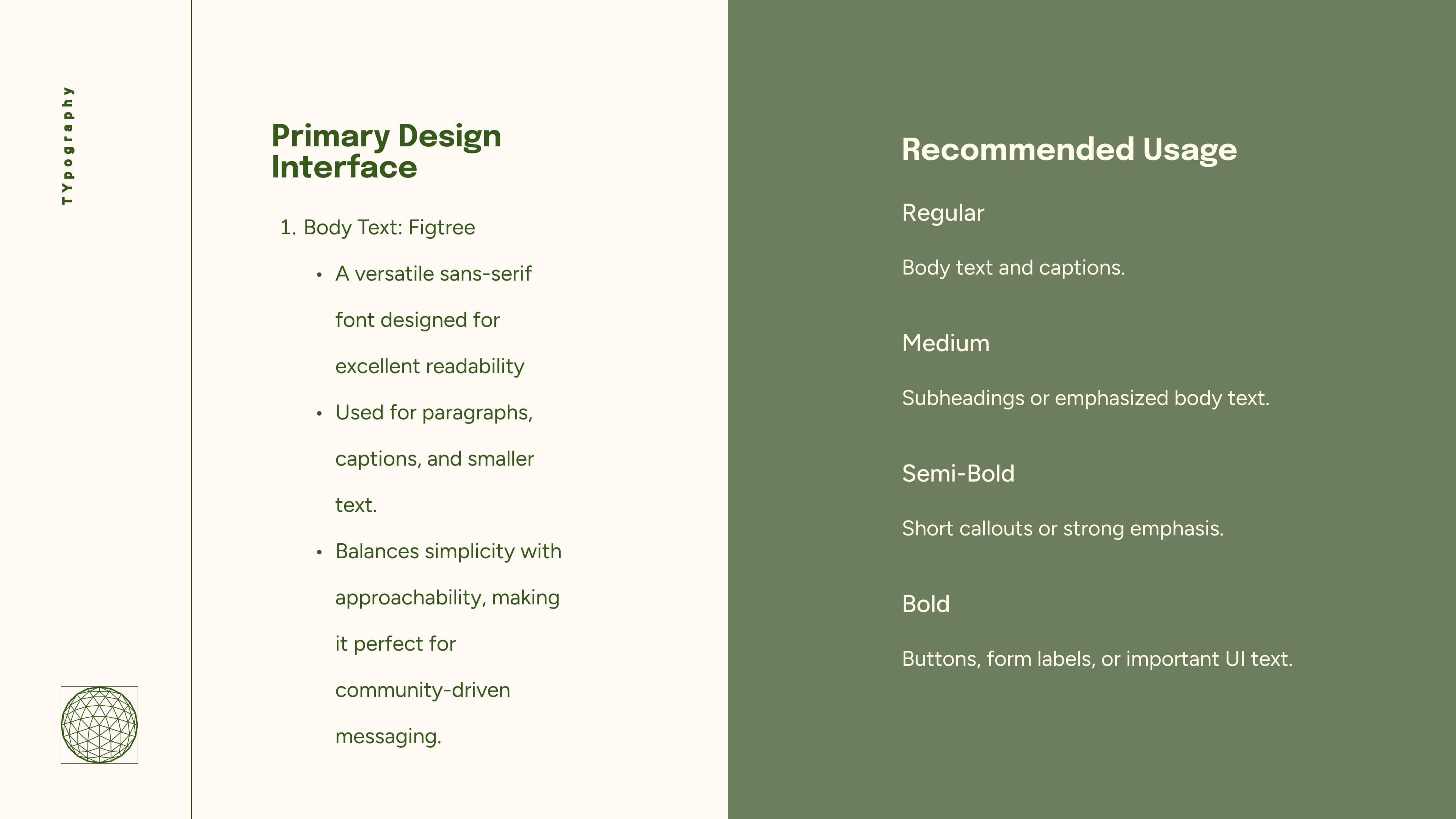
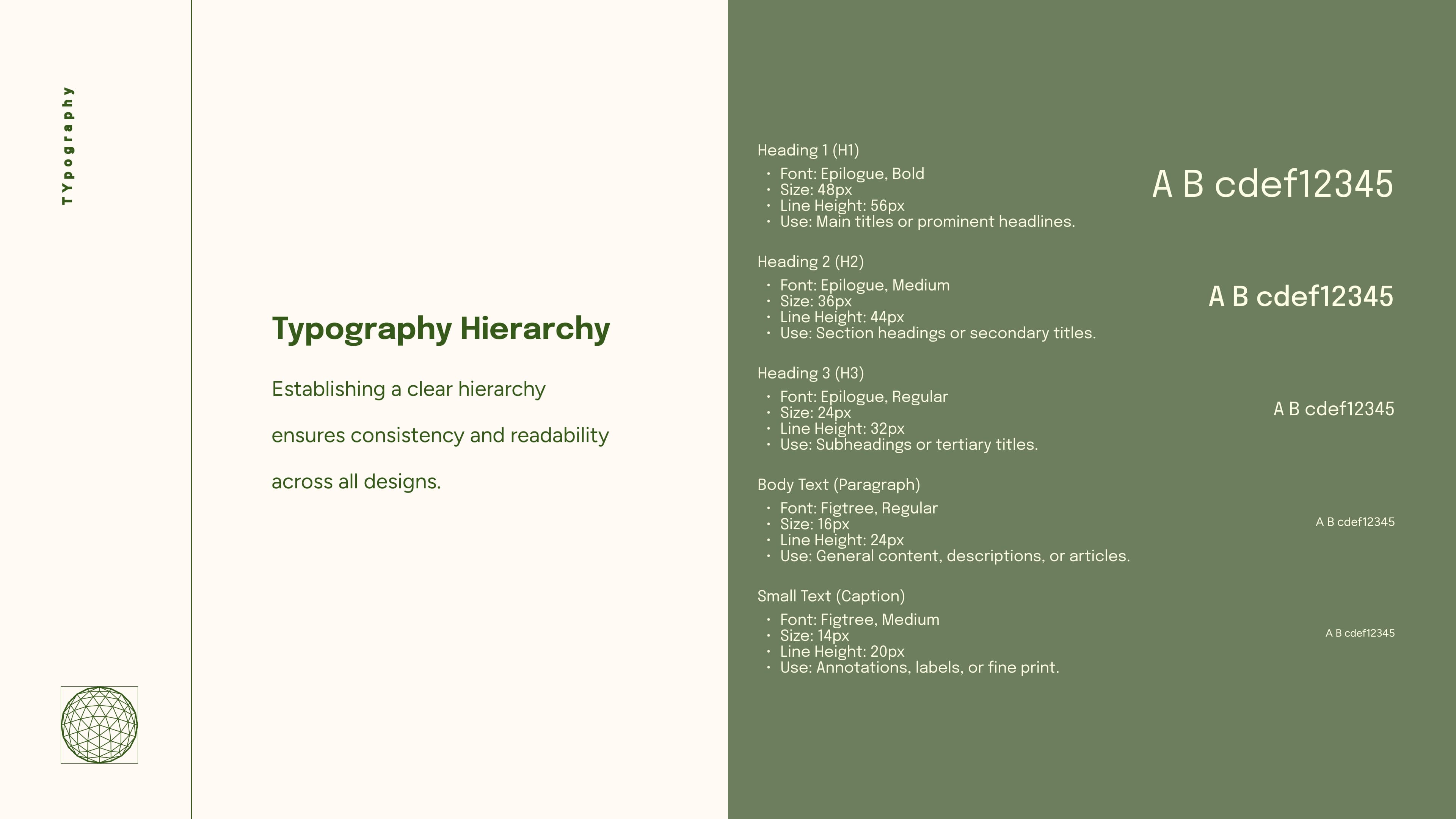
- A dual typeface system pairing editorial display with a clean UI sans — full hierarchy from H1 to caption, with weight rules.
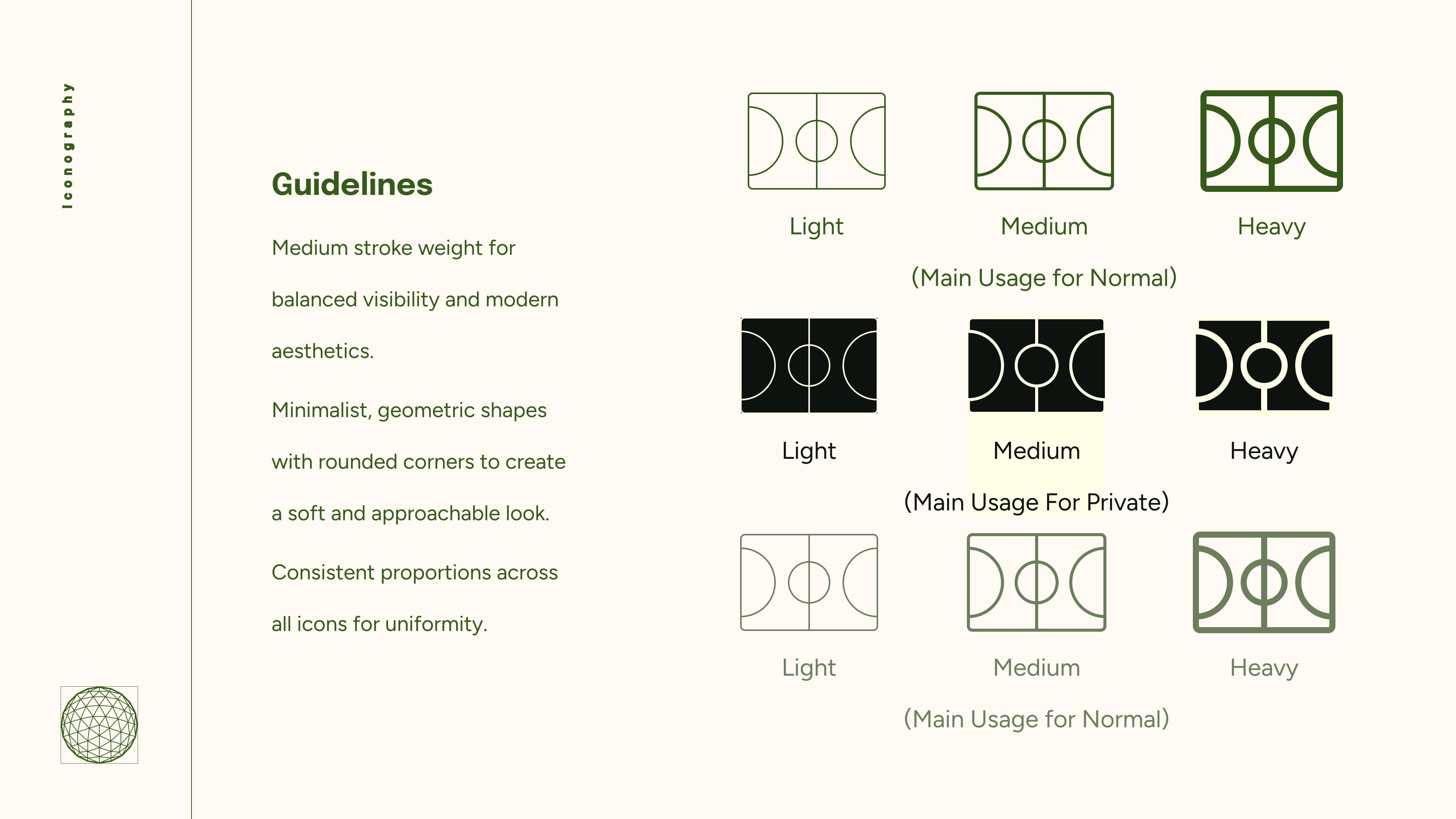
- A 3-weight iconography system (light, medium, primary) with surface-specific rules and minimum legibility thresholds.
- A tone-of-voice guide built around four characteristics: confident, inclusive, energetic, community-first.
- Curated asset sources — patterns, illustrations, photography — with attribution and selection criteria.
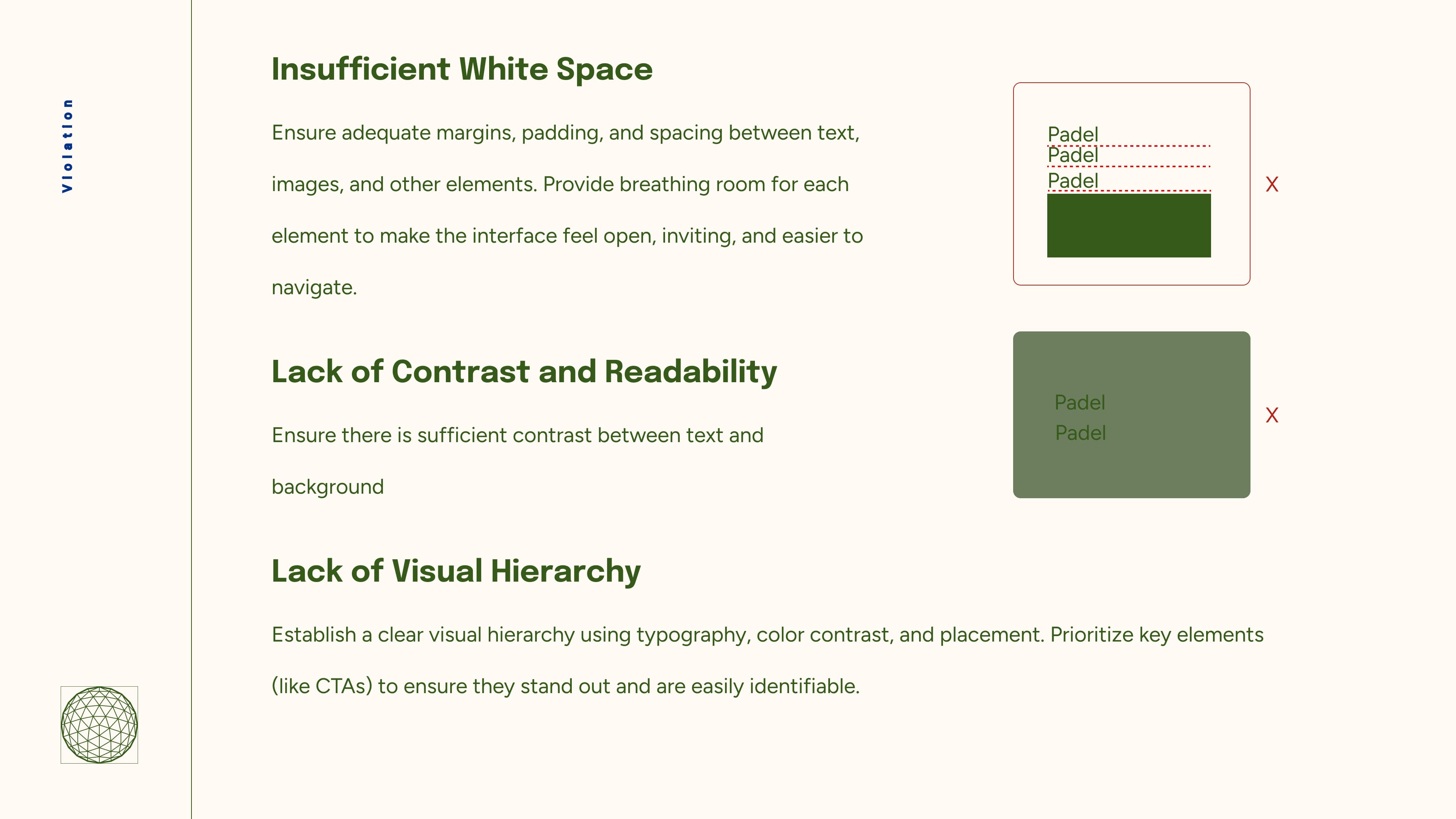
- An explicit violations guide showing what not to do — insufficient white space, low-contrast pairings, collapsed hierarchy.
A brand book isn't a design artefact. It's a set of decisions made in advance so that the right call is always obvious — even when the designer isn't in the room.