Smart Life
A hire-purchase POS system designed to simplify and digitise installment record-keeping.
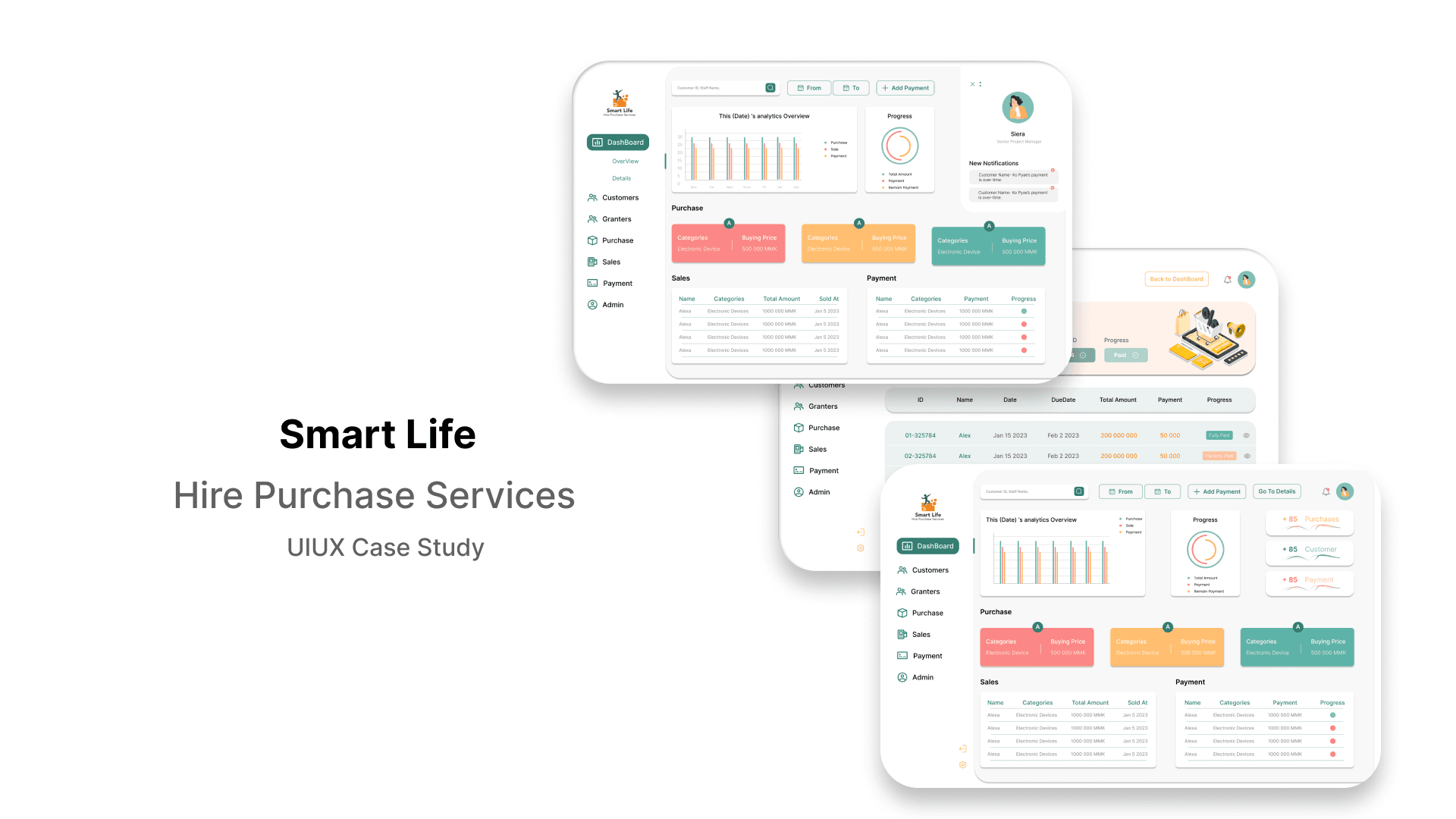
Smart Life Hire Purchase
Smart Life (Hire Purchase Website) is an installment business, which is designed to focus on simplicity and ease of use to help the staff of the company record their customers' payments, items purchased on monthly installment plans, and track the records and data of their company flow.
UX Design & Research
End-to-end user research: planning, conducting, and analysing 12 one-on-one interviews with staff, managers, and BOD.
UI & Visual Design
Complete UI design system built on atomic design principles — every component, state, and interaction designed for clarity and speed.
Data Analysis & Content Strategy
Translated raw research data into quantitative insights, feature recommendations, and a content strategy for the platform.
- Staff of the company
- Managers
- BOD
- The company staff find difficulties and challenges in keeping records of their customers' installments and payment records.
- Traditional paper works are no longer effective in keeping control since the business has grown and acquired more customers.
- Stakeholders find it difficult to track company finance and the workflow of their staff.
- The business requires precise and up-to-date records of operations — such as customer installments — to allow quick resolution of any conflicts with customers.
- It is necessary to add and track the pre-purchase of items daily, with access to up-to-date features.
- Users find it difficult to work with old and unclear hard copy data.
- Streamlined Customer Installments
- User-Friendly Designs
- Digital Payment Records
- Transparency in Staff Workflow
- Scalable Record Management
12 one-on-one interviews.
I made a meeting and discussed how to conduct user research. As this project is mainly focused on fast and functional experiences, I wanted to create the product design as close as possible to users' real-time work processes. I decided to conduct one-on-one interviews with 12 potential users to learn various installment business experiences related to: their business operation flow in customer records and installment purchases, time and payment management, and admin workflows.
What the data told us.
- 01Time-on-task
10–15 minutes searching for relevant reports and data before checking out the next process. The average time to record the installment process was 25–30 minutes. I need to design an easy and fast user process for adding and creating customer installment records.
- 02Error frequencies
Users encountered an average of three errors per transaction attempt, related to unclear form fields and payment processing issues. Error logs indicated frequent instances of users entering incorrect payment information due to lack of guidance or visual cues.
- 03Survey responses
70% of users reported difficulties tracking their hire purchase transactions and payment schedules. 80% expressed frustration with the complexity of the existing hire purchase process.
- Users discussed preferences for features such as real-time payment notifications and personalised hire purchase recommendations.
- Users hesitated or expressed confusion when presented with complex form fields or unclear instructions.
- Users often relied on external spreadsheets or notes to track hire purchase transactions, indicating a need for a more integrated solution.
- User Account Dashboard
- One-Click Checkout Option
- Real-Time Payment Notifications
- Simple and Easy Customer Records Details Designs
Six modules for the Smart Life platform.
Based on research and ideation, I listed the features that should be included: Dashboard, Customer, Purchase, Sales, Payment, Admin.
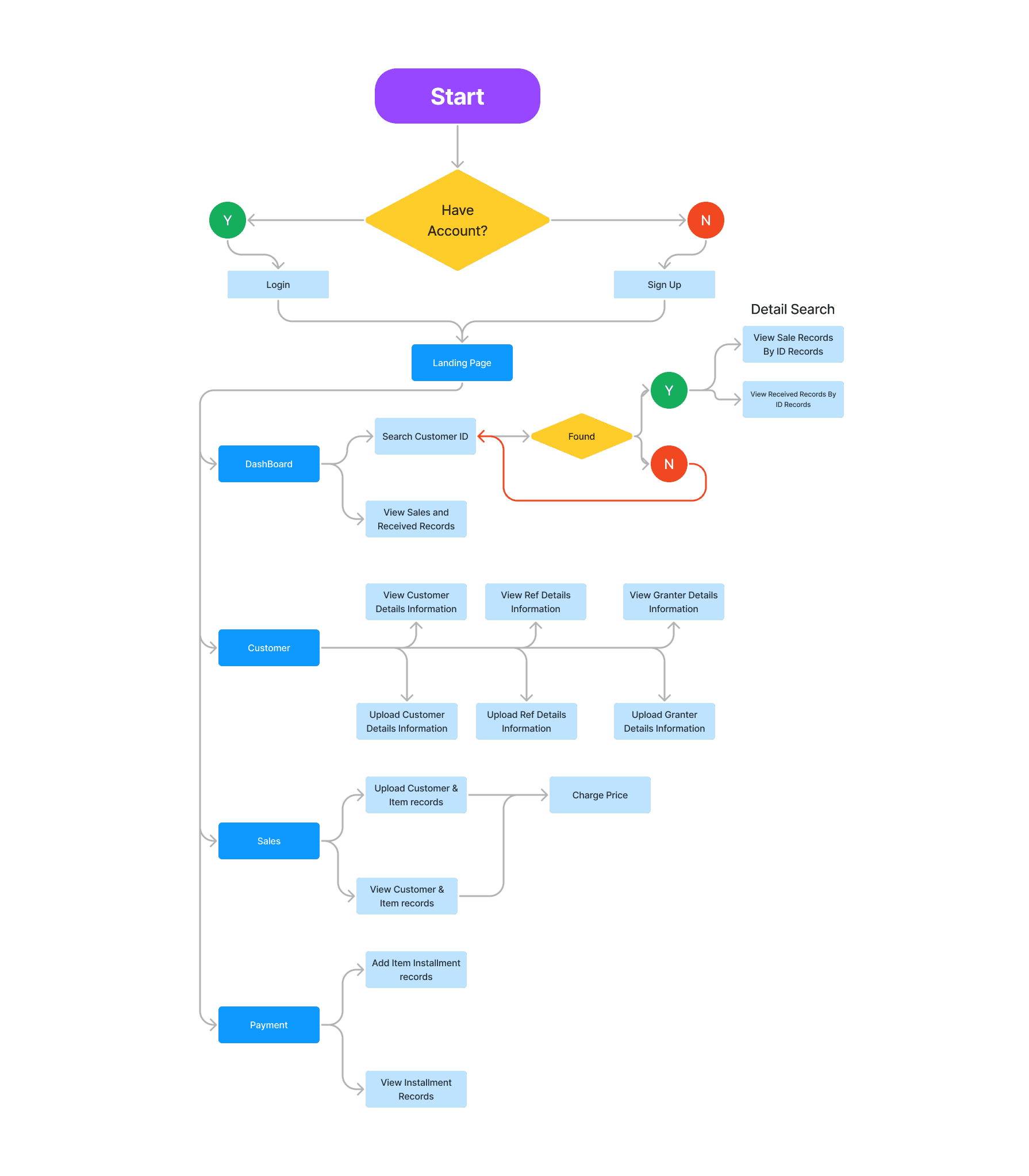
Centered on the recommended feature list.
Centered on the recommended feature list and technological research, I made user flows for the whole app with the help of different personas to improve the user experience of the website.
Research data as the design brief.
I prepared an appointment with the clients and pitched my design idea for the website with the help of the research data. I suggested my recommended feature list and also suggested removing some features from the initial requirements which did not match the insights.
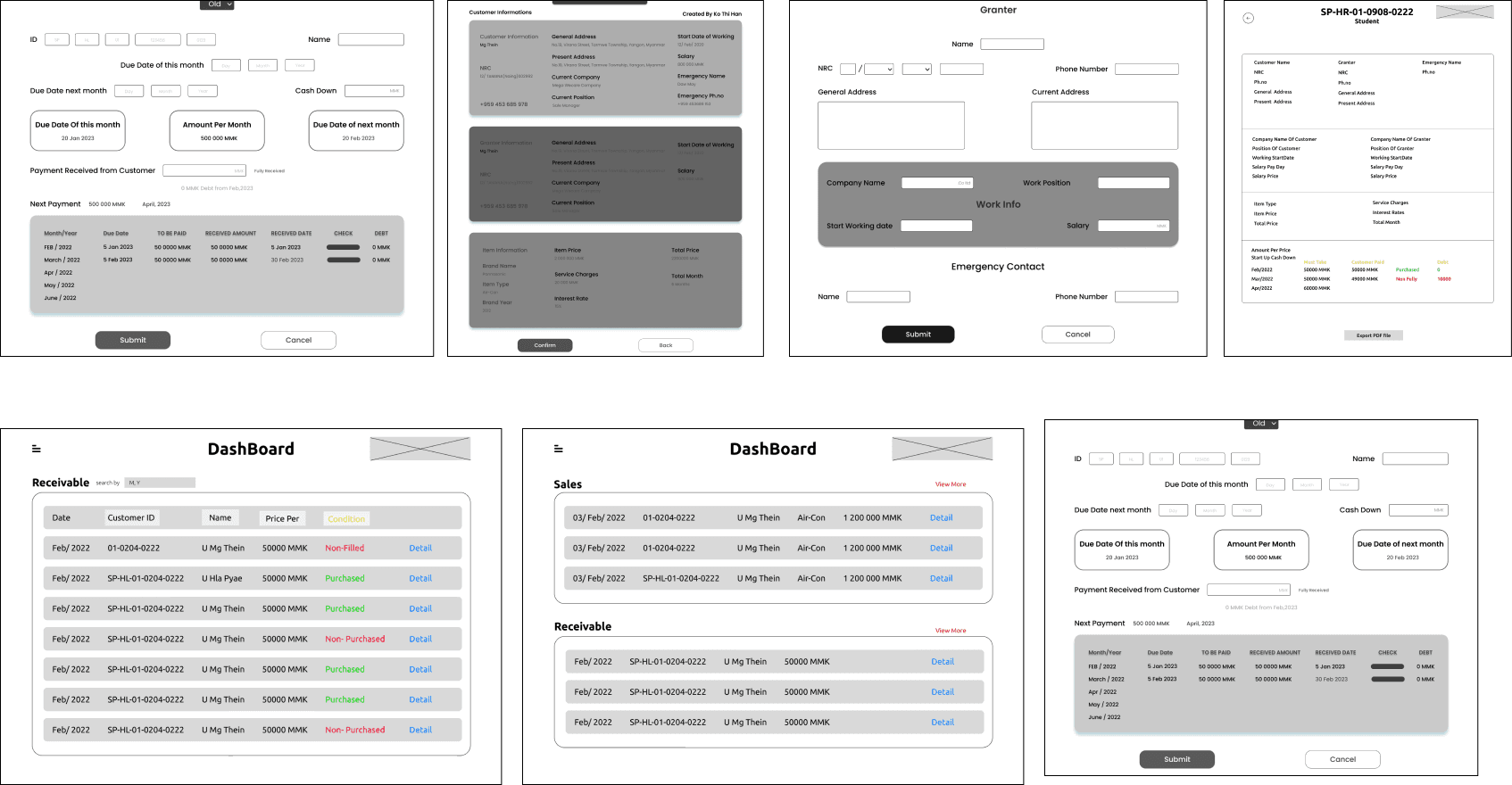
Structure before style.
Later, after the design theme was confirmed by users, I started wireframing based on the user flows worked on in the earlier stages.
Built to be used, not just viewed.
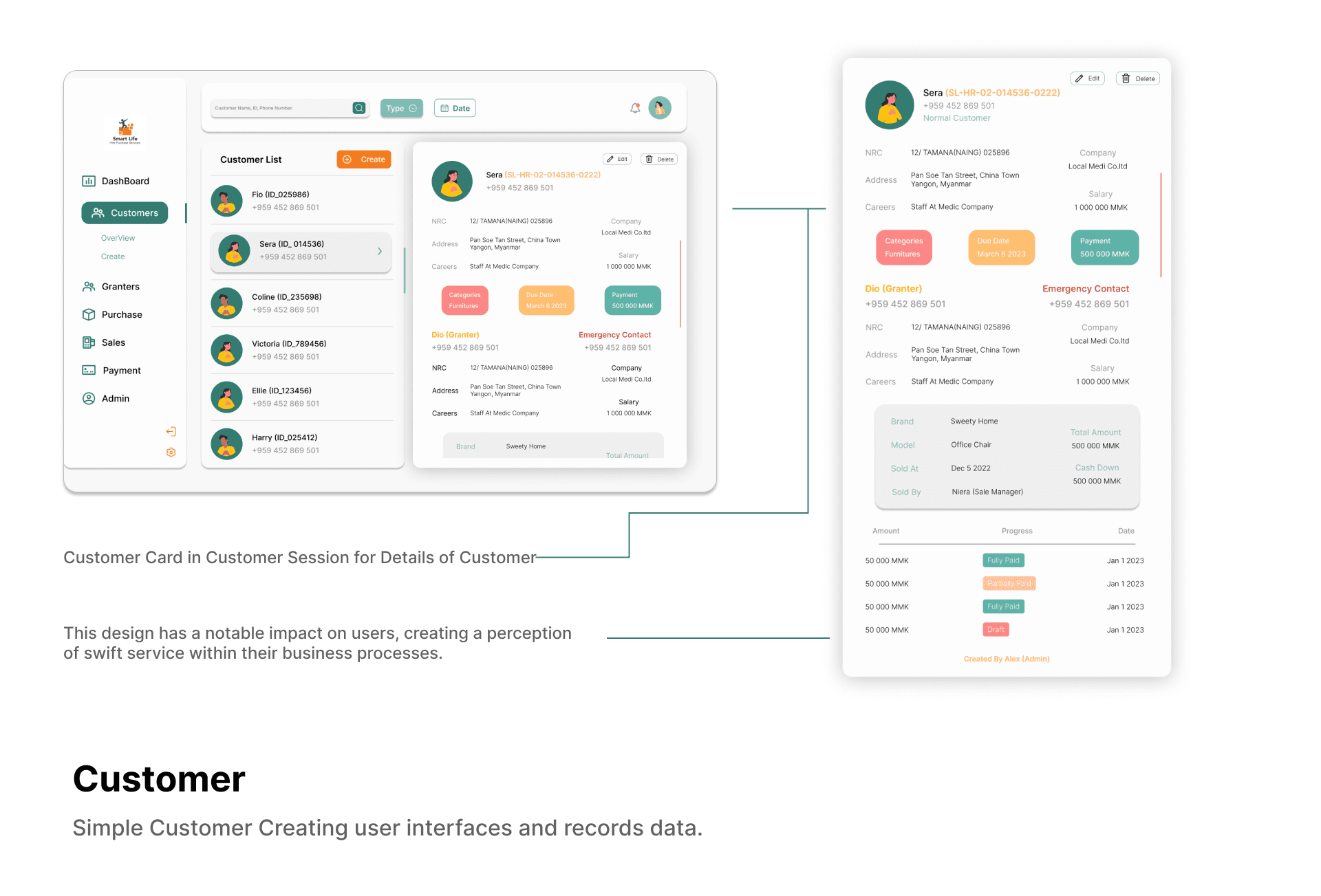
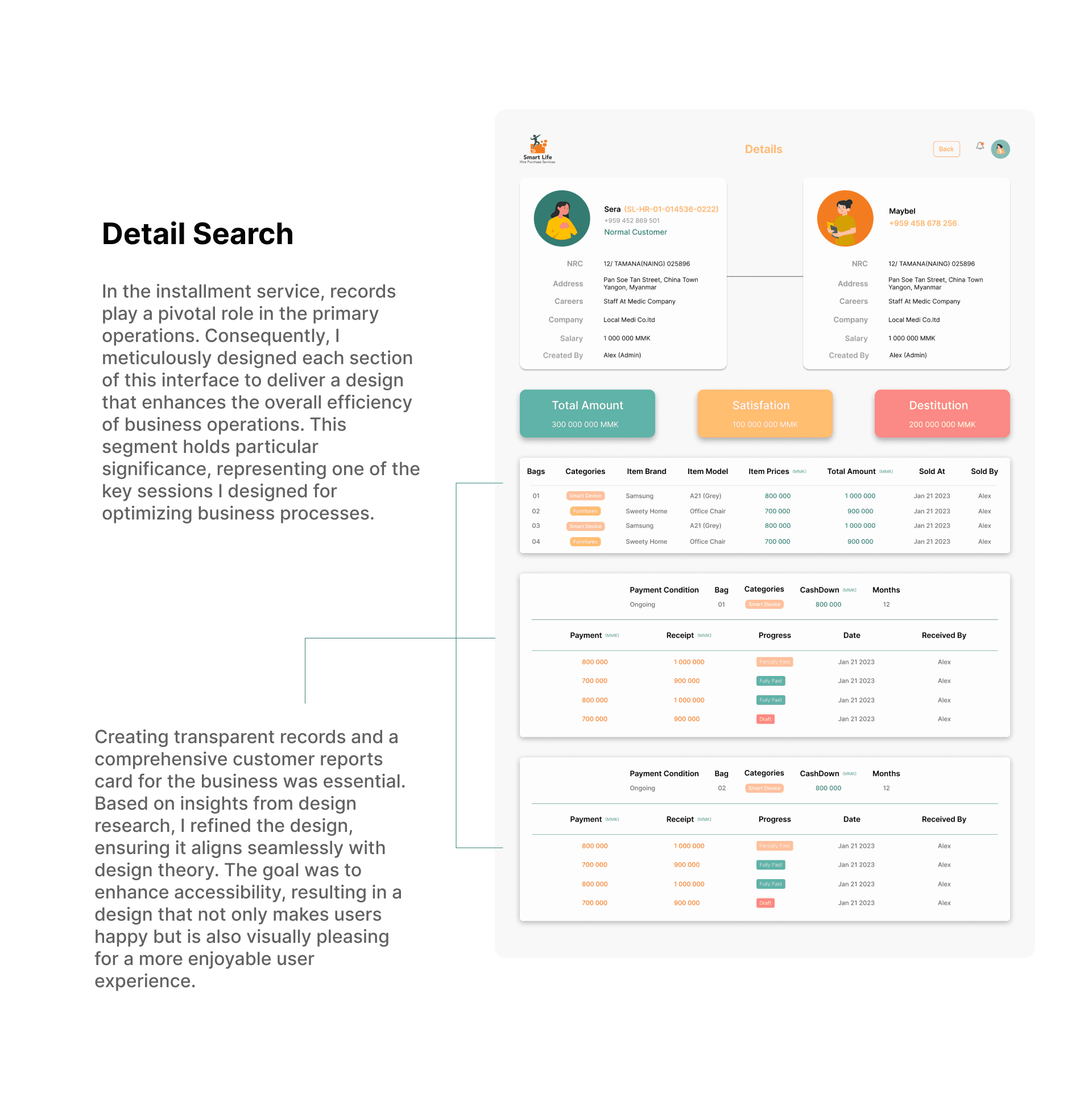
Succeeding the presentation, I needed to design the product from scratch as the clients and users didn't like the look and feel of the existing product. As the users are logical and minimalistic, easy-to-understand experience and design are important for them.
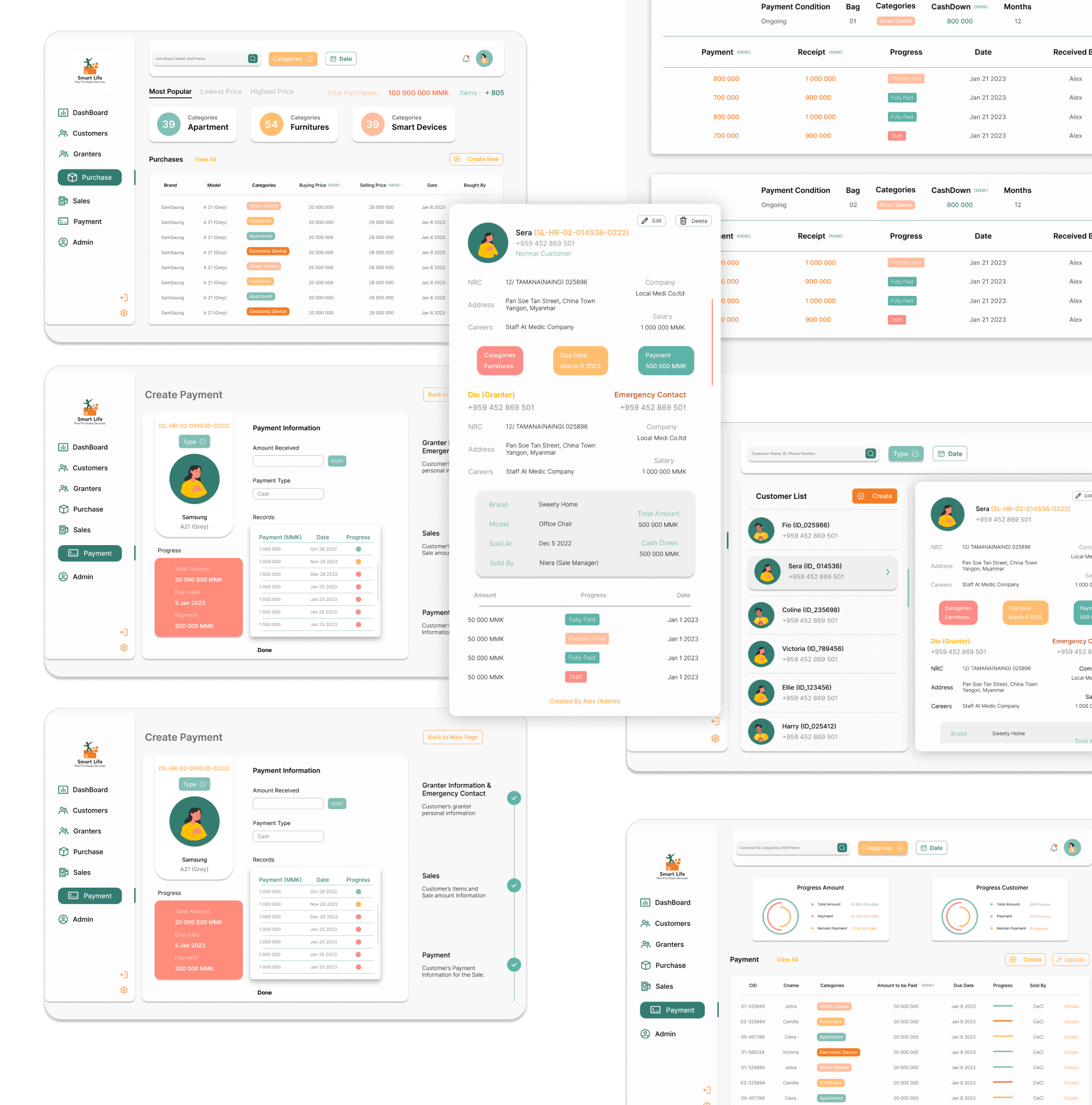
Beyond wireframing, I started creating the user interface with the atomic design system. I modified everything to ensure it was clean, clear, simple, and easy to understand.
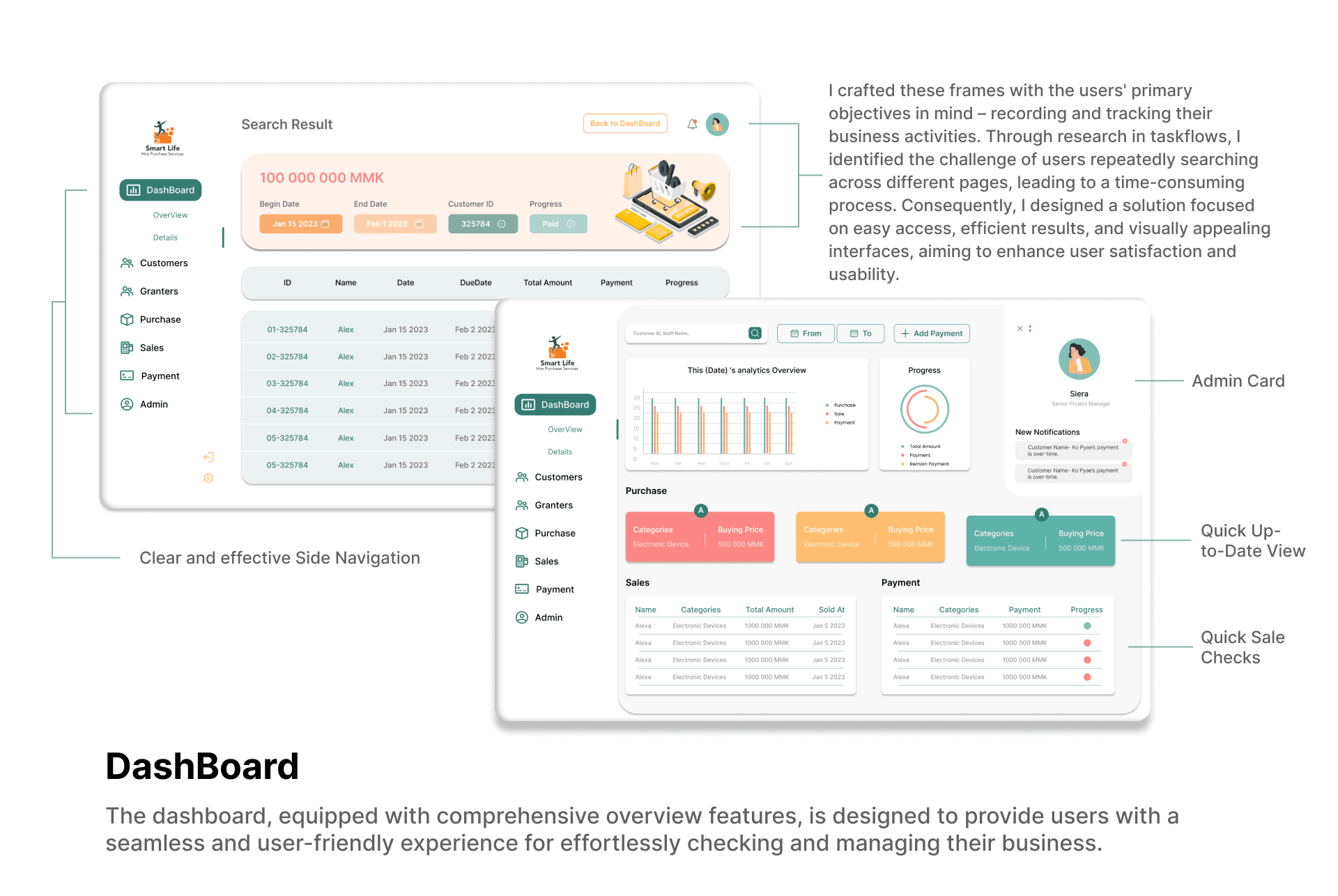
Feedback loop all the way to handoff.
After creating the user interfaces, I tested the designs and collected feedback from both users and stakeholders to fulfill the needs and wants of the business.
The research stages, along with effective communication in presentations and meetings, helped me produce optimal designs that enhance business operations by making them faster and easier.
- Collaboration is key
- User-centric design thinking process with domain knowledge
- The strategy about the contents
- User and Business Research